
Storms do not wait for fleets that still need repairs. Use this checklist six weeks before your first forecast freeze so every spreader and sander is ready when drivers report for shift.
- Inspect hoppers and hardware. Look for cracked welds, bent auger flights, and loose mount bolts. Tighten torque-critical fasteners to the values in your manuals rather than guessing.
- Test augers and conveyors dry. Run empty cycles and listen for bearing noise. Replace worn bearings before they seize mid-route.
- Service gas engines and hydraulics. Change oil, filters, and hydraulic fluid on gas-over-hydraulic units. Bleed air from lines after service so flow stays smooth at cold temperatures.
- Check electrical harnesses. Corrosion at connectors shuts down electric spreaders without warning. Apply dielectric grease and verify ground straps to the truck frame.
- Calibrate spread rates. Catch material on tarps at two truck speeds. Compare pounds per lane mile to your road agency target.
- Stock wear parts. Keep spare auger segments, spinner discs, and controller fuses on the shop shelf. Night breakdowns cost more than parts storage.
- Train seasonal drivers. Schedule a dry run on a closed lot. Cover hopper fill safety, PTO engagement, and how to clear minor jams without hands near moving augers.
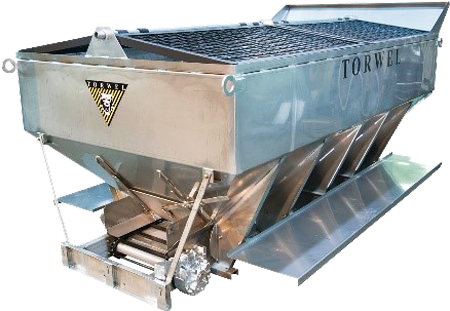
Document each unit with photos after prep. When spring arrives, those notes speed up the same inspection for sanders used on gravel roads or construction sites.
Leave A Comment